Layton Mitchell | September 4, 2026
September 4, 2026
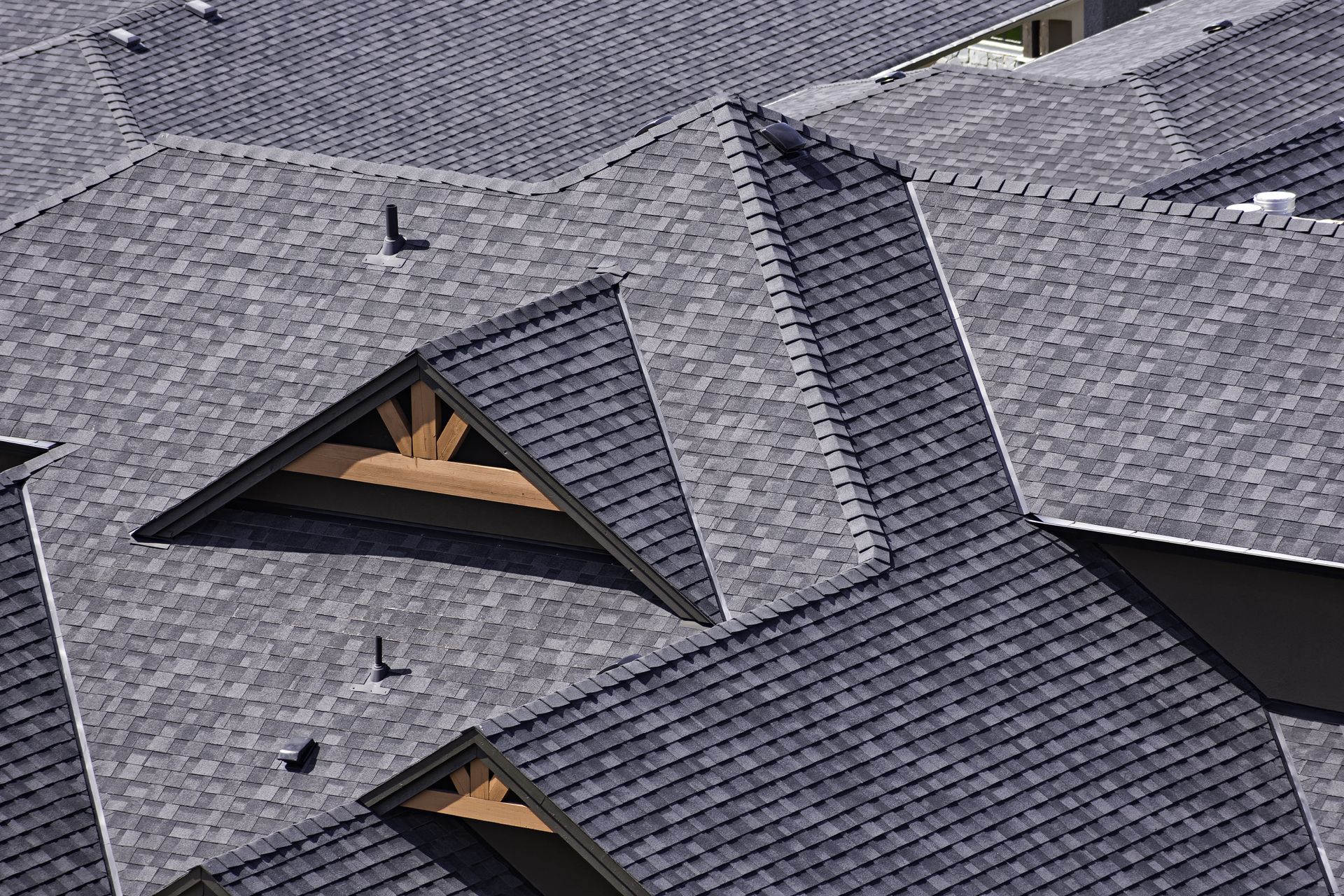
Protecting a residential or commercial building from harsh environmental elements requires specialized structural knowledge, premium materials, and meticulous craftsmanship. Every overhead protective barrier depends on a complex system of underlayment sheets, flashing strips, sealants, fasteners, and outer surfacing materials working in harmony to repel wind, moisture, and extreme solar heat. When property owners embark on structural upgrades, understanding the physical tools, protective membranes, and primary cover materials deployed on job sites clarifies how lasting weather resistance is achieved. Experienced trade specialists do not rely on single components; instead, they build layered defense systems tailored to specific roof slopes, climate demands, and architectural styles. Evaluating common industry supplies illuminates why certain products are chosen for durability while others are selected for flexibility or cost efficiency. According to RubyHome, asphalt shingles are the most common roofing material, used in roughly 80% of roofing projects. Learning about these essential job site materials helps building owners make informed decisions regarding maintenance, structural repairs, and complete system replacements. Working alongside professional roofers ensures that every layer of your overhead protective system is installed strictly according to engineering guidelines and regional building codes.
Installing Synthetic Underlayment and Ice Shields
Applying durable underlayment barriers directly onto structural roof decking serves as the vital first line of defense against water intrusion. Before laying down primary surface covers, trade teams roll out water-resistant membranes across exposed plywood or oriented strand board sheathing. Traditional asphalt-saturated felt paper has largely been replaced by modern synthetic underlayment sheets made from woven polyethylene or polypropylene fabrics. Synthetic options offer superior tear resistance, enhanced ultraviolet protection, and high traction for worker safety on steep slopes. Furthermore, high-risk areas like roof eaves, valleys, chimneys, and plumbing vents require self-adhering ice and water shields. These specialized rubberized asphalt membranes seal tightly around nail penetrations, preventing driven rain and ice dams from seeping into interior ceiling spaces. Relying on skilled roofers to install premium underlayment guarantees that underlying timber deck boards remain completely dry and structurally sound through severe storms.
Securing Metal Flashing and Drip Edges
Fitting corrosion-resistant metal flashing along vulnerable structural seams prevents driving rain from migrating behind wall siding and fascia boards. Metal flashing strips—typically manufactured from galvanized steel, aluminum, or sheet copper—are custom bent to shield critical intersections like roof valleys, dormer walls, skylights, and chimney bases. Without precise metal flashing, water flowing down roof slopes naturally finds its way into subtle structural gaps, causing rot, mold growth, and costly interior ceiling damage. Additionally, installing metal drip edges along roof perimeter eaves directs water runoff straight into gutter systems rather than allowing moisture to curl backward under shingle edges. Shaping and overlapping flashing segments requires specialized sheet metal tools and detailed mechanical joining techniques to ensure seamless moisture diversion. Entrusting these delicate perimeter junctions to experienced roofers prevents subtle leaks and preserves structural integrity across high-risk roof intersections.
Applying Specialized Fasteners and Roof Sealants
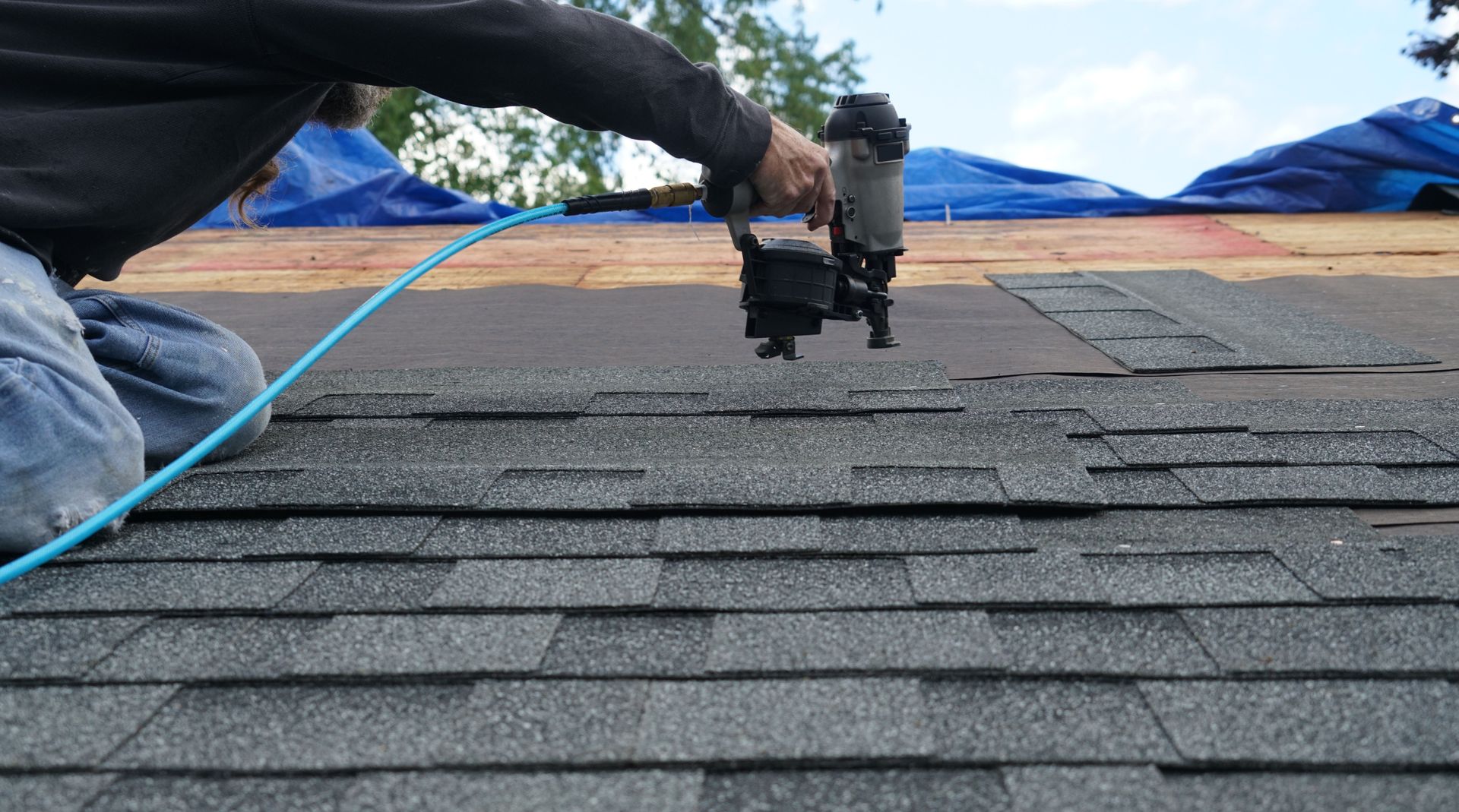
Fastening surface components with exact, weather-resistant hardware ensures that overhead structures withstand high-wind uplift forces during severe weather. Trade crews utilize specialized pneumatic coil nailers and corrosion-resistant, large-head roofing nails engineered to secure shingles and underlayment tightly without tearing through material fibers. Proper nail placement and correct depth settings are essential; over-driven nails puncture materials, while under-driven nails create raised spots that catch high winds. For metal roof assemblies or low-slope installations, specialized self-sealing screws fitted with neoprene rubber washers prevent moisture from creeping through screw holes. In addition to mechanical fasteners, high-grade elastomeric sealants, polyurethane caulks, and asphaltic cements are applied around flashing boots, counter-flashing seams, and roof penetrations. Applying these flexible sealants ensures a watertight barrier that expands and contracts alongside shifting temperatures. Qualified roofers utilize industry-standard fasteners and sealants to create wind-resistant, leak-proof structural barriers.
Utilizing Modern Safety Gear and Hoisting Equipment
Deploying comprehensive fall protection systems and heavy hoisting machinery maintains job site safety while accelerating material transportation. Working at high elevations on steep slopes presents significant physical hazards, requiring strict adherence to occupational safety standards. Professional job sites feature anchored roof fall-arrest systems, heavy-duty safety harnesses, shock-absorbing lanyards, and sturdy perimeter guardrails to keep crews secure. For moving heavy pallets of materials, trade teams utilize specialized truck-mounted hydraulic cranes, ladder lifts, and motorized material conveyors. These lifting devices transport heavy shingles, tile bundles, and underlayment rolls directly onto upper decks, minimizing physical strain and reducing accidental material damage during staging. Furthermore, crew members wear specialized high-traction boots engineered to grip steep surface angles without scuffing delicate protective coatings. Engaging safety-conscious roofers protects workers and property owners alike, ensuring efficient material handling under strict safety protocols.
Selecting Premium Surface Materials and Tiles
Choosing appropriate primary surface covers dictates a building's overall aesthetic charm, energy efficiency, and long-term weather endurance. Beyond standard architectural shingles, trade crews frequently work with durable standing seam metal panels, natural slate, clay tiles, and advanced composite materials. Metal panels reflect solar heat effectively and offer high wind resistance, making them ideal choices for modern energy-efficient designs. Natural slate and concrete tiles deliver unmatched longevity and fire resistance, though their immense weight requires robust underlying structural support framing. Composite synthetic tiles replicate the classic look of cedar shakes or natural slate while offering lightweight, impact-resistant protection. Each material option demands specific installation techniques, specialized cutting tools, and custom flashing details to maximize service life. Consulting knowledgeable roofers helps building owners evaluate material weight, regional climate factors, and maintenance demands to select the ideal outer surfacing product for their property.
Managing Waste Disposal and Job Site Cleanup
Executing thorough debris containment and magnetic site sweeps ensures that property grounds remain clean, safe, and hazard-free after construction finishes. Removing old roofing layers generates massive amounts of heavy waste, including torn shingles, worn underlayment, rusted nails, and damaged flashing strips. Crews position heavy-duty waste dumpsters directly alongside building walls, utilizing protective tarps and plywood boards to safeguard landscaping, windows, and exterior siding from falling debris. Continuous waste removal during tear-off phases keeps work zones clear and prevents tripping hazards on upper decks. Once new surface materials are fully installed, technicians perform detailed ground cleanups using powerful rolling magnetic sweepers. Passing magnetic sweepers across driveways, lawns, and walkways captures stray metal nails and staples that could puncture automobile tires or cause foot injuries. Hiring detail-oriented roofers ensures a seamless cleanup process, leaving your property spotless and fully protected.
Selecting high-quality underlayment membranes, metal flashing, specialized fasteners, advanced safety gear, premium surface covers, and thorough cleanup tools ensures that every overhead protective structure delivers lasting performance. Understanding the purpose behind these essential job site materials clarifies why professional installation methods are vital for preventing leaks, resisting severe winds, and protecting building investments. Taking a proactive approach to structural care ensures that your home or business remains safe, dry, and energy-efficient through every season. Protecting your property requires partnering with skilled craftsmanship, superior materials, and transparent communication from initial inspection to final cleanup. At Mitchell Roofing & Exteriors, we take immense pride in delivering top-tier roof installations, precise structural inspections, complete exterior maintenance, and dedicated customer service across every project we undertake. Contact us today to schedule your comprehensive roof evaluation, explore premium material samples, and discover how our experienced team can keep your building protected for decades to come.